
Wurzweiler School of Social Work Blog
Blog Posts

New York offers several routes to becoming an addiction counselor. Candidates can begin pursuing the state’s primary addiction-counseling credential without a college degree, while higher levels of education can reduce the amount of supervised work experience required for certification.

Virtual case simulation gives you a low-risk environment in which to practice making decisions and responding to complex situations before working directly with clients.

Social work is rooted in communities, but the people who need support do not always live within convenient geographic boundaries. The Social Work Licensure Compact is designed to reduce those barriers.

Where people live can influence the challenges they face, the resources available to them and the support to which they have access. For social workers, location is more than geography. It is part of the context needed to understand clients and communities.

Immigration social work is grounded in the principle that safety, security and dignity are fundamental human rights, regardless of a person’s immigration circumstances.

For social workers, understanding a client's cultural experiences is not simply helpful, but often essential to building trust, identifying strengths and developing effective intervention strategies. One of the profession's most valuable tools for accomplishing that goal is the culturagram.
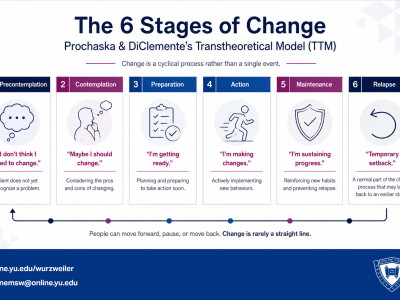
Social workers often help clients change behaviors that may be harmful to themselves or others, but lasting change rarely happens all at once. One of the most widely used frameworks for understanding this process is Prochaska and DiClemente's Stages of Change Model.

The effects of childhood trauma are not always obvious. Many adults carry patterns that once helped them cope with difficult circumstances, yet continue to influence their relationships, emotions and well-being years after the initial harm.
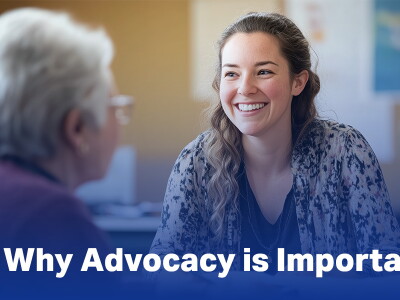
Whether helping an individual navigate complex support systems or working to change policies that affect entire communities, for social workers advocacy is central to advancing social justice and improving lives.

Whether you're planning your first social work position or considering graduate education, an understanding of how education, licensure and specialization affect earning potential can help you make informed career decisions.